Add Row
Add Element
The MedSpa Journal Logo
update
The MedSpa Journal
The MedSpa Journal Logo
update
Add Element
  • Home
  • Categories
    • Trends
    • Marketing
    • Tech
    • Education
    • Regulations
    • Resources
    • Extra News
June 26.2025
3 Minutes Read

John Oliver's Expose Sparks A Call for Medspa Safety Regulation

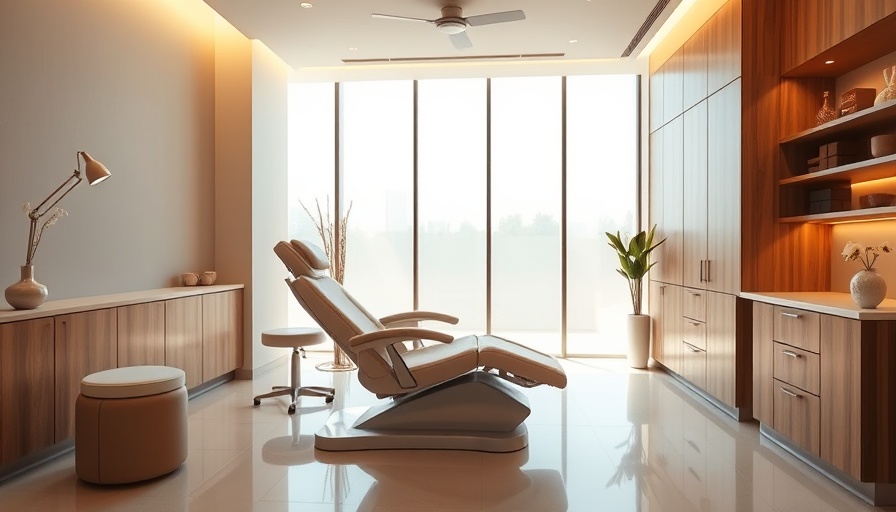
Modern medspa room showcasing safety and comfort.

Understanding the Medspa Crisis: A Call for Regulation

Recent discussions surrounding medspas have heightened awareness of the potential dangers consumers face in this burgeoning industry. John Oliver, on his show Last Week Tonight, shed light on the troubling lack of universal safety standards within medspa operations, prompting medspa owners and aesthetics experts alike to voice their concerns. The growing intersection of beauty and medical practices raises pressing questions about the adequacy of current regulations and whether they are sufficient to ensure patient safety.

As the aesthetics field continues to grow and evolve, professionals emphasize the urgent need for clearer, standardized regulations across states. This article aims to explore the implications of Oliver's expose, providing insights into the risks involved and actionable steps that practitioners can take to enhance safety and compliance in their practices.

The Landscape of Medspa Regulations

The aesthetic medicine industry remains in its infancy, often lacking the comprehensive oversight seen in more established medical disciplines. Each state currently imposes its own regulations, leading to a patchwork of practices that can confuse both practitioners and patients. This inconsistency can lead to dangerous situations, as some facilities may not adhere to the same standards for cleanliness, training, or oversight of medical procedures.

Key Points Solutions
Inconsistent state regulations Advocate for universal regulations
Inadequate training for staff Implement standardized training programs
Potential for unsafe practices Conduct regular safety assessments
Consumer confusion regarding services Increase transparency in service descriptions

The Importance of Universal Safety Standards

Safety and compliance in medspas are paramount, but the establishment of universal standards is hindered by varying perceptions of aesthetic procedures. Aestheticians and surgeons stress that the absence of common safety protocols can lead to malpractice and patient harm. Establishing universal standards would not only protect patients but also help legitimize the industry.

Key Points Solutions
Lack of standard protocols Create industry-wide guidelines
Patient safety risks Implement regular training for staff
No certification requirements Establish certification for practitioners
Unclear liability in cases of malpractice Clarify legal frameworks for accountability

Next Steps for Medical Spa Owners

As the medspa industry faces scrutiny, it is essential for owners to take proactive measures. These actions not only safeguard clients but also enhance the reputation of the aesthetics field as a whole. By staying informed about evolving best practices and regulatory requirements, practitioners can cultivate a culture of safety and compliance within their facilities.

medspa practices team training
Key Points Solutions
Resistance to change Promote a positive safety culture
Limited resources for training Utilize free resources and webinars
Potential backlash from clients Educate patients on new protocols
Outdated practices Stay updated with industry trends

Conclusion: Take Action For a Safer Future

In summary, the recent expose by John Oliver has opened a vital conversation about safety and regulatory standards in the medspa industry. As standards evolve, it is crucial for spa owners to be proactive in implementing best practices to protect their clients and foster trust within the market.

Below is a checklist of actionable steps medspa owners can take:

  • Advocate for universal regulations within the industry.
  • Standardize training programs for all staff members.
  • Conduct regular safety assessments of procedures.
  • Increase transparency with clients regarding services offered.
  • Stay informed about changes in regulations and industry trends.

Frequently Asked Questions

What should I look for in a safe medspa?

Ensure the facility has certified practitioners, transparent service descriptions, and a clean and professional environment.

How can I stay informed about industry standards?

Sign up for newsletters from reputable medical associations and attend industry conferences.

What are the risks of operating without regulations?

Without regulations, there is a higher risk of malpractice, dangerous procedures, and patient harm.

Regulations

Write A Comment

*
*
Related Posts All Posts

WHO's New GLP-1 Obesity Treatment Guidelines: What Medical Spa Owners Must Know

Update Understanding GLP-1 Therapies: A Revolutionary Approach to Obesity TreatmentOn December 1, 2025, the World Health Organization (WHO) released its groundbreaking guideline on using GLP-1 therapies for obesity, marking a pivotal moment in managing this global health crisis. This comes 11 years after the approval of liraglutide, the first GLP-1 medication aimed at weight management, highlighting the growing recognition of obesity as a chronic disease requiring multifaceted treatment approaches.The Rising Challenge of Obesity WorldwideObesity is increasingly becoming a global challenge. According to the WHO, over 2.9 billion adults are projected to be living with obesity by 2030. The disparity in obesity rates across regions is alarming—while some areas report less than 5% prevalence, others, particularly in Polynesia and Micronesia, see rates exceeding 60%. This disparity underscores the urgency for adequate accessibility to obesity treatments, including GLP-1 therapies, which currently support approximately 100 million individuals.Two Key Recommendations from WHOThe WHO’s guidelines emphasize two crucial recommendations for the use of GLP-1 therapies:Long-term Treatment: GLP-1 therapies can be utilized by adults for the long-term management of obesity, though usage is conditional, particularly for pregnant women, due to limited research on safety and efficacy.Integrated Interventions: The WHO advocates for a combination of GLP-1 therapies with structured interventions focused on healthy eating and increased physical activity. This holistic approach is based on data suggesting that such integration could enhance the effectiveness of GLP-1 treatments.The Importance of a Comprehensive ApproachWhile the efficacy of GLP-1 therapies in weight management is notable, the WHO stresses that medication alone will not curb obesity's rising tide. A comprehensive strategy involving strong public health policies, tailored screening for high-risk populations, and lifelong access to multidisciplinary care is pivotal. This holistic framework aims to foster healthier environments and offer targeted interventions, thereby tackling obesity from multiple angles.The Role of Medical Spa Owners in Obesity TreatmentFor medical spa owners, the introduction of GLP-1 therapies offers valuable opportunities to enhance service offerings for clients seeking weight loss solutions. However, the WHO guidelines remind us that as demand increases, so does the risk of counterfeit medications flooding the market. Thus, it becomes imperative for spa owners to remain informed and compliant with healthcare regulations while ensuring that their clients receive safe and effective treatments.Key Takeaways for Medical Spa OwnersWith the WHO's new GLP-1 guidelines, medical spa owners need to:Stay updated on guidelines and research related to GLP-1 therapies.Implement protocols that prioritize patient education about safe and appropriate usage.Encourage integrated lifestyle changes in conjunction with GLP-1 therapy to enhance overall outcomes for clients.Conclusion: Moving Forward in Obesity TreatmentThe WHO’s recent guideline on GLP-1 therapies underscores an essential evolution in the approach to treating obesity. As medical spa owners seek to enhance client services in line with these guidelines, they must prioritize safety, education, and a holistic approach to patient care. By doing so, they can better serve their communities and contribute positively to global health initiatives aimed at tackling obesity.

Why Medical Training is Essential in the Age of At-Home Cosmetic Treatments

Update Why Proper Medical Training in Cosmetic Treatments Matters The booming popularity of cosmetic procedures, including injectables and microneedling, represents a double-edged sword. While these treatments promise quick results and minimal discomfort, the surge in demand has led to unregulated practices where untrained individuals attempt to provide these services. Medical spa owners must grapple with the implications of this trend, as at-home devices flood the market, enticing patients but potentially compromising safety. Understanding the Risks of Untrained Injectors The allure of at-home cosmetic tools is tempting, but it often obscures the potential dangers. Injectables and microneedling involve intricate techniques requiring an in-depth understanding of human anatomy, patient assessment, and post-procedure care. Without professional oversight, patients may face serious complications, including infections, scarring, and adverse responses. Medical spa owners must emphasize where the line is drawn between accessible beauty treatments and expert care to protect clients. Building Trust with Patients Through Education With an array of unregulated options available, transparency and education become essential tools for medical spa owners. By prioritizing professional qualifications and demonstrating the importance of trained personnel in cosmetic treatments, spas can reinforce trust within their communities. This formed trust not only honors the complexities of aesthetic procedures but also fosters a culture of safety and expertise—key components in patient retention. Legal and Ethical Responsibilities The legal landscape surrounding cosmetic procedures is rapidly evolving. Medical spa owners must stay informed regarding regulations to ensure compliance and safeguard their practices. Knowledge of liability coverage, patient consent, and consumer protection laws is vital when navigating these waters. Implementing strict training standards for all staff members is not just an ethical benchmark; it is also a strategic move that could save practices from potential legal trouble. The Future Landscape of Cosmetic Treatments As at-home devices gain traction, the expectations for trained professionals may also shift. Medical spa owners are uniquely positioned to guide future developments in this arena by curating services that prioritize safety and efficacy over mere convenience. For instance, adapting treatment offerings that incorporate innovative technologies with a commitment to professional oversight will likely distinguish reputable practices from those that rely on risky shortcuts. Key Takeaways for Medical Spa Owners In a world increasingly drawn to the promise of quick fixes, the cultivation of expertise within medical spas is non-negotiable. Business decisions rooted in thorough training, ethical practice, and patient education will pave the way for long-term success, ensuring that rather than following trends, spas set the standard for aesthetic excellence. To learn more about how medical training is essential for ensuring safety in cosmetic treatments, stay engaged with us for insightful updates and comprehensive resources.

California Bill Aims to Limit Anti-Aging Product Sales to Minors

Update Introduction In an effort to protect minors from potentially harmful anti-aging products, a California bill has been introduced that aims to restrict the sale of these items to individuals under the age of 18. This legislative move comes amid growing concerns from dermatologists and parents about the increasing trend of young children employing adult-oriented skincare regimens. Health professionals have pointed out the risks associated with these products, particularly those containing potent ingredients that may not be suitable for sensitive, youthful skin. Understanding the Bill and Its Implications This legislative proposal, spearheaded by Assemblymember Alex Lee, addresses a significant issue regarding the marketing of anti-aging products to younger demographics. With the rise of social media influencers and beauty trends, many young people, dubbed "Sephora Kids," are developing complex skincare routines that include these adult-targeted products. Experts warn that introducing such ingredients too early can lead to skin irritations and long-term health consequences. Key PointsSolutions Growing trend of young people using anti-aging productsPromote safe, age-appropriate skincare regimes. Potential risks associated with active ingredientsEducate parents and children on safe skincare practices. Legislation aims to empower retailers to verify customer agesImplement age-verification protocols at the point of sale. Concerns from dermatologists about product safetyEncourage discussions between healthcare providers and families about skin health. The Role of Parents and Retailers As this bill progresses, the role of parents and retailers becomes crucial in shaping a responsible approach to skincare for younger individuals. Retailers are expected to comply with the new regulations if the bill passes, which will require them to check the identification of buyers wishing to purchase anti-aging products. Moreover, parents must be proactive in guiding their children towards products that are appropriate for their skin type and age. Key PointsSolutions Parents often uninformed of their children’s skincare habitsConduct family discussions about skincare choices. Retailers may face compliance challengesProvide training for staff on new regulations. Misleading advertising may confuse young consumersEncourage transparent marketing practices in the beauty industry. Increased parental concerns about skin healthPromote workshops on skincare education for families. Impact on the Aesthetic Medical Spa Industry This new bill has potential ripple effects across the aesthetic medical spa industry. With a growing clientele that includes younger individuals, it’s critical for medical spa owners to adjust their service offerings to abide by the new regulations. The bill suggests an increase in the focus on preventive skincare rather than reactive anti-aging treatments, which can lead to better overall skin health among younger customers. Key PointsSolutions Pressure to reverse adults-only product marketingDevelop a range of safe treatments appropriate for young clients. Legislative compliance for treatment providersStay informed and aligned with state regulations. Shifts in consumer behavior towards safer productsIntroduce educational campaigns for parents and youths. Emerging trends in skin health and wellnessLeverage new trends to promote healthy skin habits. Conclusion As California inches closer to potentially enacting a law that could reshape the landscape of beauty product sales for minors, it’s crucial for medical spa owners to stay ahead of these changes. Understanding the implications of this legislation not only helps in compliance but also in fostering a responsible approach to skincare among the younger population. The focus should shift towards prevention, education, and providing safe products tailored for younger consumers. Actionable Steps to Consider Stay updated on the legislative progress of this bill. Revamp your service offerings to include safe, age-appropriate skincare options. Engage in community outreach and education on the importance of following reputable skincare regimens. Implement age-verification methods at your facility if applicable. Collaborate with dermatologists to promote healthy skincare practices. Frequently Asked Questions What age group does the bill target? The bill targets individuals under the age of 18. Which ingredients are included in the ban? The ban includes potent ingredients like retinoids and alpha hydroxy acids. How can spas comply with this legislation? Spas can comply by implementing age verification for relevant purchases and focusing on preventive skincare.

Terms of Service

Privacy Policy

Core Modal Title

Sorry, no results found

You Might Find These Articles Interesting

T
Please Check Your Email
We Will Be Following Up Shortly
*
*
*