Add Row
Add Element
The MedSpa Journal Logo
update
The MedSpa Journal
The MedSpa Journal Logo
update
Add Element
  • Home
  • Categories
    • Trends
    • Marketing
    • Tech
    • Education
    • Regulations
    • Resources
    • Extra News
July 23.2025
2 Minutes Read

How Skin Organoids Are Shaping The Future of Personalized Dermatology

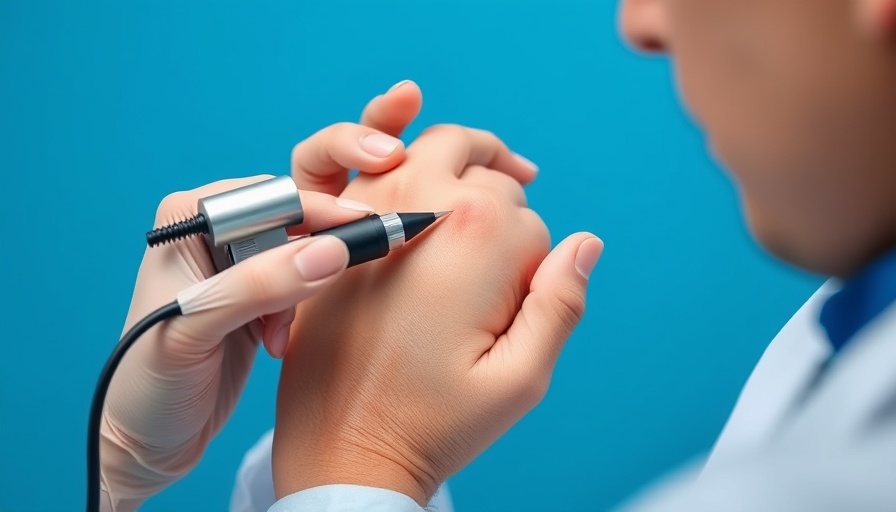
Dermatologist using dermatoscope on skin, examining mole, close-up.

Understanding Skin Organoids: The Future of Dermatology

Recent research highlights the transformative potential of skin organoids in the realm of personalized dermatology. These three-dimensional skin models, derived from stem cells of patients, are key in replicating natural skin features and responding to various treatments. This innovation is set to redefine how dermatologists approach patient care, particularly in managing complex skin conditions.

The Role of Stem Cells in Creating Organoids

Skin organoids are crafted from reprogrammed adult skin cells, which allows them to exhibit properties akin to real human skin. This includes the presence of crucial elements such as melanocytes and fibroblasts—cells that play vital roles in skin health and disease. Understanding how these organoids work enables dermatologists to observe disease mechanisms and therapeutic responses in a controlled environment.

Why Skin Organoids Matter in Dermatology

As Dr. Diala Haykal noted, skin organoids have the potential to revolutionize dermatological practices. For instance, in the case of vitiligo, these organoids facilitate the study of melanocyte behavior and their reactions to targeted therapies. By closely mimicking real skin responses, organoids assist in tailoring treatments that are uniquely suited to individual patient needs.

Applications in the Treatment of Skin Diseases

Beyond enhancing the understanding of common conditions like psoriasis and eczema, skin organoids offer insights into more rare genetic disorders. Their ability to model inflammation and skin disease means dermatologists can test the effectiveness of various treatments in real time, adapting therapies to each patient’s specific condition, much faster than before.

The Bigger Picture: Technology in Dermatology

Skin organoids are just one facet of a broader technological revolution in dermatology. Alongside innovations like bioprinting and skin-on-a-chip technologies, they demonstrate how far dermatology has come. These advancements not only enhance existing treatments but also pave the way for groundbreaking therapies that have previously been unimaginable.

Implications for Medical Spa Owners

For medical spa owners, the insight into drug interactions and skin responses provided by organoids could be vital. Personalized treatments tailored to individual needs will not only improve patient satisfaction but also enhance treatment efficacy and outcomes. Adapting these advanced insights into practice can put spas ahead in a competitive market, responding to patients’ increasingly specific desires for tailored skincare solutions.

As the world of dermatology evolves, staying informed on advancements like skin organoids will be crucial for offering cutting-edge services in medical aesthetics. By embracing these innovations, medical spa owners have a unique opportunity to enhance both patient care and business success.

Conclusion

The emergence of skin organoids signifies a new era in personalized dermatology. They illustrate a significant step forward in how treatments will be customized to fit each patient's unique skin profile, heralding a future where dermatological care is both profound and deeply personal.

Trends

Write A Comment

*
*
Related Posts All Posts

Unwrap the Gift of Aesthetic Treatments: Enhancing Medspas During Holidays

Update Elevating Self-Care: The Rising Trend of Aesthetic Treatments Aesthetic treatments are rapidly transforming into the must-have holiday gifts of the season. In a world where self-care and personal wellness take center stage, medspas are experiencing unprecedented popularity, reflected in the 2023 data indicating a growth in the number of medspas from 8,899 in 2022 to 10,488. This trend isn’t just a fleeting phase—predictions estimate over 12,000 medspa locations by 2025, suggesting a burgeoning market eager to offer personalized beauty solutions. Consultations Are Key: Personalized Experience Matters As aesthetic experiences grow in demand, experts underscore that personalization and safety must be prioritized. Gifts that involve invasive procedures can be challenging to navigate. According to Dr. Corey Maas, only non-invasive treatments like facials or non-chemical skin rejuvenation should be considered appropriate gifts. Safety remains paramount, and clients should first receive personalized consultations before any treatment takes place. This approach not only builds trust but also enhances the enjoyment of the experience. Thoughtful Presentation: How to Enhance the Gift Experience Presentation is vital when gifting aesthetic treatments. Unique and elegantly branded gift cards can transform a simple voucher into an enticing present. Including personalized notes, travel-sized skincare products, and clear redemption instructions can enhance the overall gifting experience, making it special and inviting. This personal touch shows consideration and understanding of the recipient’s needs, turning a medical service into a pampering experience. Setting Clear Expectations: The Importance of Communication Effective communication between medspas and clients is essential for setting realistic expectations. Discussions about what specific services entail and the anticipated outcomes can alleviate anxieties for first-time attendees. As Hilary Small of the Medspa Society advises, gifting a service that includes a consultation allows the recipient to feel comfortable and engaged with the medical professional before proceeding. What to Gift: Recommendations for Aesthetic Treatments For anyone considering gifting aesthetic treatments, options like rejuvenating facials and laser hair removal stand out as universally appealing choices. Skin analysis consultations bundled with gift cards can also offer excellent insights, optimizing the recipient’s treatment experience. The gift of choice—where clients can select their treatment—empowers them and ensures satisfaction. It's essential, however, to avoid gifts that imply the need for cosmetic correction; the intent should always circle back to indulgence and self-care. Conclusion: The Future of Gifting Self-Care As the concept of aesthetic treatments continues to permeate holiday gifting trends, it’s crucial for medspa owners to provide thoughtful offerings that prioritize personalization and comfort. By focusing on effective consultations, clear communications, and inviting presentations, the holiday season can become the perfect time to help clients discover the joy of self-confidence through aesthetic enhancements. This trend not only has the potential to elevate client satisfaction but can also help cultivate loyalty and retention. Medspa owners should seize this opportunity to enhance their service offerings and attract new clientele in the spirit of the festive season.

Why Aesthetic Treatments Are the Ultimate Holiday Gift for Self-Care

Update Aesthetic Treatments: The Gift of Self-Care As we approach the holiday season, one trend is becoming unmistakably clear: aesthetic treatments are fast becoming the go-to gifts. From rejuvenating facials to advanced laser therapies, they’re not just luxuries anymore—they're becoming essential elements of self-care that many people are eager to experience. According to the American Med Spa Association (AmSpa), the number of medspas has surged, demonstrating a growing public interest in aesthetic services. This trend signals a unique opportunity for medical spa owners to cater to a clientele eager for both gifts and transformative experiences. Consultation: A Critical First Step While gifting aesthetic treatments can seem like a novel idea, safety and personalized experiences must remain top priorities. Experts emphasize the importance of consultations as part of the gifting process. Dr. Corey Maas advises that consultations serve to tailor treatments to individual skin types and preferences, ensuring every recipient feels valued and understood. This consideration is especially vital for more aggressive treatments, which should ideally be pursued at the discretion of the recipient rather than dictated by gift givers. Crafting the Perfect Gift Experience How one presents these gifts can be just as important as the treatments themselves. Medical spa professionals are encouraged to create attractive gift cards that convey warmth and understanding. Consider branded packaging, personalized notes, and even travel-sized skincare products as thoughtful touches that enhance the experience. Such gestures transform treatments into indulgent gifts rather than merely medical services, fostering a welcoming atmosphere that makes newbies feel at ease. Top Gifts for the Season Not every treatment is suitable as a gift. That’s why experts suggest focusing on non-invasive services such as facials, light-based rejuvenation, or laser hair removal for a wider audience. These treatments often come with minimal downtime and appeal to diverse skin types, making them ideal for a broader range of receivers. For this holiday season, consider offering special packages that include a consultation or skin analysis. This not only adds value but also reassures recipients, allowing them to approach their first appointment with excitement rather than apprehension. Highlighting these discussions in marketing efforts can help medspas create a supportive community around their services and foster long-term customer relationships. The Future of Gifting in Aesthetic Medicine As we see the trend of gifting aesthetic services grow, it’s clear this is not just a fleeting phase. With the American Med Spa Association projecting significant growth in medspas over the coming years, savvy spa owners will capitalize on this opportunity by emphasizing safety, personalization, and thoughtful engagement. Ensuring that clients feel understood and catered for can turn a simple gift into a transformative experience, potentially evolving into repeat clients and positive word-of-mouth for your practice.

Uncovering the Link Between Maternal Stress and Early-life Eczema

Update Understanding the Link: Maternal Stress and Eczema Development A recent study published in Nature has brought to light a significant biological connection between maternal stress during pregnancy and the emergence of eczema in infants. This groundbreaking research underscores a relationship that many in the medical community have long hypothesized. By examining the effects of stress-induced fluctuations in the maternal hypothalamic-pituitary-adrenal (HPA) axis, researchers uncovered that pregnant mothers experiencing heightened stress levels could alter the neuroimmune systems of their fetuses, increasing the likelihood of early-onset eczema. A Closer Look at the HPA Axis The HPA axis plays a crucial role in the body’s response to stress, regulating the production of key hormones like corticosterone. When a mother is under significant stress, elevated levels of this stress hormone can be found in the amniotic fluid. The study suggests that these hormonal fluctuations can lead to a disruption in the development of fetal mast cells and sensory neurons, vital components in skin health. Specifically, the offspring of stressed mothers demonstrated dysregulated mast cells, resulting in increased susceptibility to eczema from benign stimuli like light friction on their skin. Potential for Therapeutic Interventions Encouragingly, researchers have identified potential interventions. They found that normalizing maternal corticosterone levels during pregnancy, or genetically modifying specific immune components, can mitigate these adverse effects on the fetus. This discovery not only sheds light on the origins of pediatric eczema but also opens the door for therapeutic strategies directed towards at-risk pregnancies, aiming to reside on a preventive approach rather than reactive treatments post-birth. Broader Implications for Medical Spa Owners For medical spa owners, understanding the implications of maternal stress on skin health and pediatric conditions like eczema could inform future service offerings. As skincare regimens evolve towards more holistic approaches, integrating knowledge about prenatal factors may allow medical spas to better cater to expectant mothers with specialized treatments or educational programs focusing on stress management during pregnancy. Observing the Connection Through An Evidence-Based Lens While the findings currently stem from mouse models, they provide a vital insight into how prenatal factors can influence skin health from birth. The correlation drawn between maternal stress and early-onset eczema paves the way for future research that could validate these observations in human subjects, potentially impacting pediatric dermatological care significantly. Conclusion: Preparing for a New Paradigm As the first lines of defense in skincare, medical spa owners have an opportunity to educate and equip expectant mothers with the knowledge they need to nurture both their own well-being and the health of their children. This insight into prenatal influences opens a new paradigm of skincare and wellness that highlights the centrality of stress management and emotional health during pregnancy.

Terms of Service

Privacy Policy

Core Modal Title

Sorry, no results found

You Might Find These Articles Interesting

T
Please Check Your Email
We Will Be Following Up Shortly
*
*
*