Add Row
Add Element
The MedSpa Journal Logo
update
The MedSpa Journal
The MedSpa Journal Logo
update
Add Element
  • Home
  • Categories
    • Trends
    • Marketing
    • Tech
    • Education
    • Regulations
    • Resources
    • Extra News
January 19.2025
2 Minutes Read

Elevate Your Medical Spa: Mastering Laser Safety for Client Trust

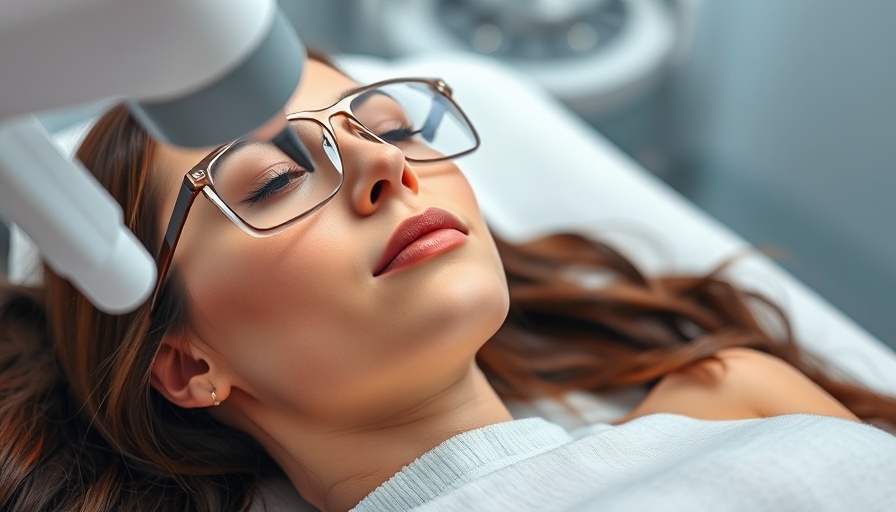
Laser Safety Protocols in a clinical setting, woman with protective eyewear.

Understanding Laser Safety: Beyond Basics

When it comes to laser treatments in medical spas, safety should always be paramount. While providers often come out of training focused on foundational knowledge such as not looking directly at lasers and wearing protective eyewear, the reality of laser safety involves a deeper understanding. It’s about transforming standard practices into one that ensures every client receives safe and effective treatment.

Key Elements for an Optimal Laser Treatment Environment

Think of the treatment room as a nominal hazard zone (NHZ) where specific safety protocols must be stringently followed. Proper setup is crucial. To minimize risks, first, make sure your treatment room is clearly defined: keep the doors closed, cover windows, and restrict access. The NHZ should only include the provider and the client; no extra observers or family members should be allowed. Another vital step is marking the door with a warning sign during procedures—this simple action helps communicate potential risks and prioritizes safety.

Protective Eyewear: Your First Line of Defense

Ensuring the right protective eyewear is also critical. Not all eyewear is created equal, and it must be specifically suited for the laser device in use. Check for three essential features: the wavelength, optical density, and light transmittance. By confirming these specifications, spa owners ensure additional peace of mind for you and your clients while enhancing the safety of treatments.

Compliance and the Role of Training

Compliance with safety regulations is not just about following the letter of the law; it’s about fostering a culture of safety in your medical spa. Advanced training programs can elevate a good understanding of laser safety to clinical excellence. Such programs help you and your staff navigate complex situations and become proactive in managing potential risks, ensuring clients feel secure and valued.

Transforming Treatments through Knowledge

Every medical spa owner strives to stand out in a competitive market. The difference between average services and exceptional treatments often hinges on the quality of safety protocols and how well they are understood. By investing in comprehensive training that goes beyond the basics, you can empower your staff, enhance client trust, and minimize risks while promoting overall satisfaction.

Conclusion: Prioritize Safety, Elevate Business

For medical spa owners, knowledge of laser safety protocols is not merely a regulatory box to tick; it’s an investment in the trust and safety of clients. By embracing advanced training and refining protocols, you will not only minimize risk but also substantially enhance your reputation in the aesthetic industry. Take the proactive step today to ensure your clinic's laser safety protocols are the best they can be.

Education

Write A Comment

*
*
Related Posts All Posts

truFlex Now FDA-Cleared for Rehabilitation: Key Insights for Med Spas

Update Introduction to truFlex's New FDA Clearance On December 18, 2025, Cutera received significant FDA clearance that marks a major advancement for its muscle stimulation device, truFlex. Originally launched in 2019 for aesthetic applications, this clearance broadens its use to include rehabilitative and therapeutic purposes for muscle care, specifically targeting arms and calves. The newly authorized uses not only aim to enhance muscle strength but also to support recovery and rehabilitation, paving the way for medical spas to expand their service offerings and better meet patient needs. The Expanded Uses of truFlex With the recent FDA clearance, truFlex's applications now encompass a range of therapeutic goals aimed at improving patient well-being. The new indications include the following: Key Points Solutions Strengthening and toning of calves and arms Incorporate truFlex into routine muscle recovery services. Relaxation of muscle spasms Utilize truFlex to alleviate discomfort in rehabilitation settings. Prevention of disuse atrophy Market truFlex for pre- and post-surgery muscle preservation. Enhancing blood circulation and muscle re-education Offer packages for patients focusing on enhancing recovery post-injury. Major Growth Opportunities for Medical Spas According to Taylor Harris, Cutera’s CEO, this clearance represents a pivotal opportunity for medical spas to tap into two of the most significant growth areas in the medical technology sector: rehabilitation and muscle wellness. As demand for holistic wellness solutions grow, integrating truFlex into treatment menus can provide medical spas a competitive edge. By offering non-invasive and effective muscle stimulation options, spas can attract clientele interested in both aesthetic enhancements and medical recovery. Key Points Solutions Development of specialized packages for muscle rehabilitation Create promotional materials highlighting new truFlex services. Customized treatment plans based on individual needs Train staff thoroughly to build personalized treatment strategies. Addressing both aesthetic and therapeutic client needs Leverage marketing strategies that target both demographics. Importance of partnerships with healthcare providers Establish connections for referrals and collaborative care. Conclusion and Next Steps Cutera’s expansion of truFlex into rehabilitative and therapeutic applications signifies a promising avenue for growth in medical aesthetics. Medical spa owners should consider adopting this technology as part of their offerings, not only for muscle recovery but as part of an integrated wellness approach for clients. Providing innovative services can enhance patient experience and improve clinical outcomes, ultimately driving business success. Actionable Steps for Medical Spa Owners Assess your current service offerings and identify areas where truFlex can be integrated. Invest in training your staff on the functionality and benefits of truFlex. Develop marketing strategies that capitalize on this new technology. Form partnerships with healthcare providers to expand referral sources. Frequently Asked Questions 1. What conditions can truFlex treat? TruFlex can be used for muscle strengthening, toning, relaxation of spasms, and recovery from surgery among other therapeutic applications. 2. How does truFlex differ from traditional muscle treatments? TruFlex employs Multi-Directional Stimulation technology to create precise muscle contractions tailored to individual needs, offering a customizable approach that traditional treatments may not provide. 3. Can truFlex be used on all patients? No, certain medical conditions or implanted devices may contraindicate the use of truFlex. It is essential to perform a thorough patient assessment prior to treatment.

Why Tanning Beds Increase Your Risk Of Melanoma: A Must-Read For Spa Owners

Update Understanding the Risks of Tanning Beds Tanning beds, often perceived as a quick route to achieving that coveted sun-kissed glow, pose significant health risks that users often overlook. A recent study led by Northwestern University illustrates a staggering threefold increase in the risk of melanoma for tanning bed users. This alarming statistic is compounded by evidence showing that tanning beds can cause extensive DNA damage across nearly the entire skin surface. As we delve deeper into the implications of these findings, it becomes clear that as medical spa owners, understanding these risks is crucial for promoting skin health and safety among clients. Key Points and Solutions Key Points Solutions Tanning bed usage increases melanoma risk by 2.85 times. Offer educational materials about skin cancer risks associated with tanning. DNA mutations occur across skin areas typically shielded from sun exposure. Encourage skin checks and regular dermatological screenings for clients. Melanoma affects more young women than previously documented. Promote healthy tanning alternatives, such as spray tans. The indoor tanning industry downplays harm compared to sunlight. Advocate for stricter regulations on tanning bed usage and industry practices. Scientific Findings That Challenge Tanning Myths The study reveals shocking insights about how tanning beds cause DNA mutations. Researchers found almost two times more mutations in melanocytes, the skin cells where melanoma originates, in users compared to non-users. Notably, these mutations were prevalent in vaccine-sheltered areas of the body, emphasizing that tanning beds lead to widespread DNA damage—far more than what natural sunlight does. For spa owners, this calls for a reevaluation of how tanning services are marketed and offered. Key Points and Solutions Key Points Solutions DNA changes have been found even in areas that never see direct sun. Implement thorough client consultations to discuss tanning history. Melanoma cases in young women are rising due to tanning bed use. Create awareness campaigns targeting younger demographics. Users are often unaware of the cumulative damage caused. Develop training programs for staff to educate clients on risks. Risk levels of tanning beds need to be communicated clearly. Update marketing to focus on safety and the benefits of alternative tanning methods. Empowering Clients with Knowledge An essential aspect of client care at medical spas is ensuring they are informed about the risks associated with certain beauty practices, including tanning bed use. By providing clients with comprehensive information on the potential dangers of indoor tanning, including emotional testimonials from melanoma survivors, spa owners can foster a more health-conscious environment. Empowering clients with knowledge can lead to healthier decision-making when it comes to their skincare choices. Key Points and Solutions Key Points Solutions Many clients may not understand the risks until it's too late. Provide literature or host workshops on skin health. Melanoma survivors can share impactful stories. Feature testimonials in spa marketing materials. Knowledgeable clients are more likely to prioritize safety. Host health and wellness events focusing on skin care. Regulatory attention on tanning bed safety is increasing. Stay updated on regulations and ensure compliance in offering services. Implementing Change: A Call to Action Given the rising concerns and the increasing evidence surrounding the dangers of tanning beds, it's vital that medical spa owners take proactive steps to adapt their business practices. Whether it’s through offering alternative tanning solutions or increasing awareness of the associated risks, the industry is at a pivotal moment. Key Points and Solutions Key Points Solutions Indoor tanning should involve more restrictions and clearer warnings. Advocate for greater industry regulations protecting clients. The stigma around sunless tanning options must change. Promote the benefits of spray tans and self-tanners. Education can shift perceptions about tanning bed safety. Join community initiatives focused on public health education. Clients expect responsible practices from service providers. Ensure all staff are trained on the latest safety protocols. Conclusion and Next Steps As the research on the dangers of tanning beds continues to grow, medical spa owners must take an active role in educating their clients and changing practices to prioritize skin health. This includes adjusting marketing messages and offering safer alternatives to promote healthier choices among clients. Actionable List of Steps for Spa Owners Train staff on the risks associated with tanning beds and alternative options available. Provide detailed consultations for clients regarding their tanning history and future plans. Host educational workshops on skin health and the dangers of tanning beds. Develop marketing materials that emphasize the risks of tanning beds and promote safer alternatives. Frequently Asked Questions Q1: What is the main risk associated with tanning bed use? A1: Tanning bed use significantly increases the risk of melanoma, with users having nearly three times the likelihood of developing this deadliest form of skin cancer. Q2: Are there safer alternatives to tanning? A2: Yes, options such as spray tanning and self-tanning products provide a safe way to achieve a tanned appearance without the harmful effects of UV exposure. Q3: How can I promote awareness about tanning bed risks? A3: Utilize client consultations, host educational events, and provide informative literature about skin health and the dangers of tanning beds. Q4: What should clients do if they have a history of tanning bed use? A4: It’s recommended that individuals with a history of tanning bed use schedule regular skin checks with a dermatologist to monitor for any changes or signs of skin cancer. Q5: Is the indoor tanning industry regulated? A5: Regulation varies, but many experts argue for stricter rules to protect clients, similar to warnings on cigarettes.

Discover the Benefits of the Innovative Five-Minute Ptosis Surgery

Update IntroductionDr. Kian Eftekhari, a prominent oculofacial plastic surgeon from Utah, is making waves in the medical aesthetics community with his groundbreaking presentation on a five-minute ptosis surgery. This innovative technique will be showcased at the upcoming 18th American-Brazilian Aesthetic Meeting, a pivotal event bringing together plastic surgeons from over 60 countries. With a patient-centric approach, Dr. Eftekhari aims to redefine eyelid aesthetic enhancements through this efficient method. What is Ptosis Surgery?Ptosis surgery addresses the drooping of upper eyelids, a condition that can significantly impact both appearance and vision. The procedure works by tightening the levator muscle responsible for lifting the eyelid. Unlike traditional methods which may require longer recovery times and involve more extensive procedures, Dr. Eftekhari's five-minute ptosis technique promises quick results with minimal downtime. Key PointsSolutionsMinimally invasive procedure.Enhances patient satisfaction.Reduces surgery time drastically.Allows for quicker recovery.Corrects drooping eyelids.Improves both aesthetics and vision.Streamlined techniques.Ensures natural-looking results. Benefits of the Five-Minute TechniqueIn a world where aesthetic preferences are leaning towards subtlety and minimalism, the five-minute ptosis surgery stands out as a beacon for both patients and practitioners. This revolutionary technique allows for natural-looking, effective results, aligning perfectly with the modern expectations of patients seeking aesthetic procedures. Dr. Eftekhari emphasizes the importance of this kind of surgery in rejuvenating facial appearance without the heavy costs and time investments traditional surgeries often require. Key TakeawaysKey PointsSolutionsDr. Eftekhari's expertise.Qualifies him to present innovative techniques.Ptosis affects a wide demographic.Awareness can lead to more individuals seeking treatment.Minimally invasive approach.Reduces risks associated with surgery.ABAM conference as a networking platform.Enhances knowledge sharing among professionals.

Terms of Service

Privacy Policy

Core Modal Title

Sorry, no results found

You Might Find These Articles Interesting

T
Please Check Your Email
We Will Be Following Up Shortly
*
*
*